


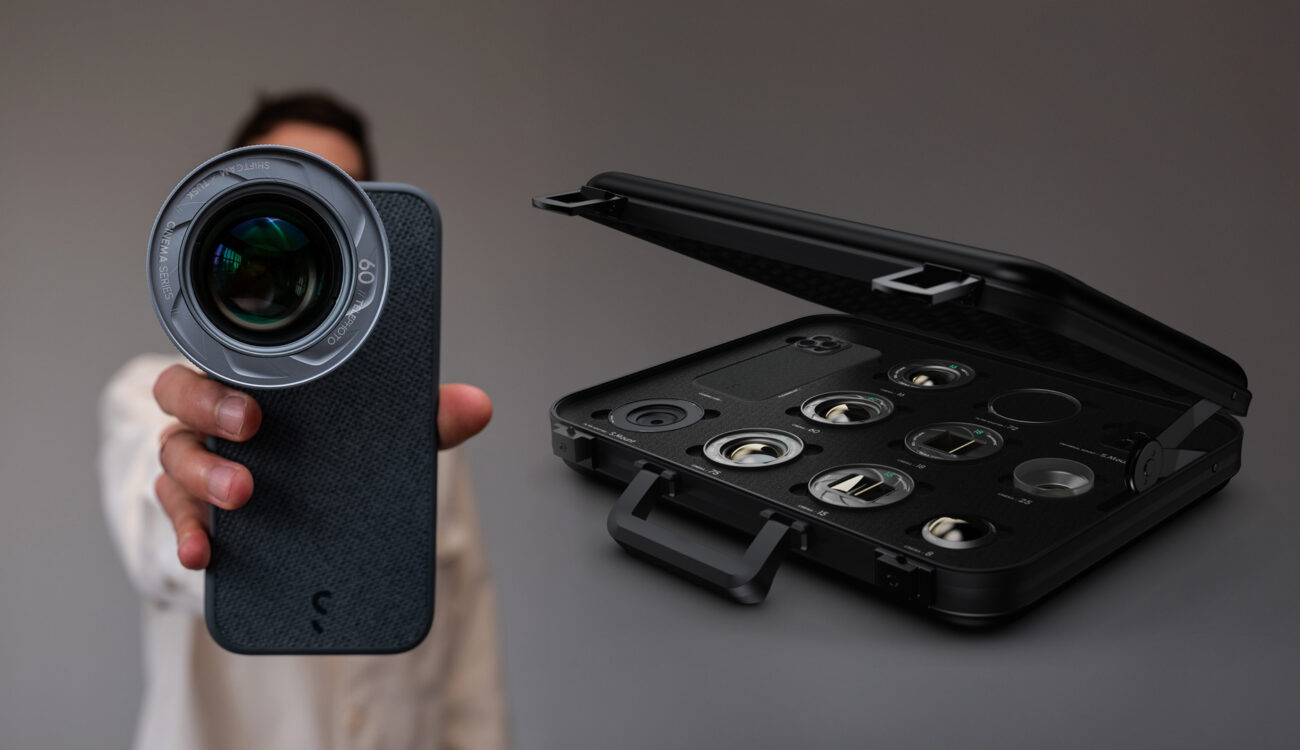
Welcome to the wonderful world of iPhone filmmaking. You’re probably wondering, “Can a phone really work cinematic magic?” Absolutely! And the magic is right there in your hand—an iPhone, no less. Famous director Danny Boyle, renowned for his brilliant creations, has embraced this technology, showing us just how much the future of cinema can be reshaped by it. Seriously, it’s happening!
“28 Years Later” is creating quite the buzz, leaving many wondering why it’s making such waves. What’s so special about it? Well, it’s the humble iPhone 15 working its magic—no kidding!
The Evolution from Pocket Cameras to iPhone
Let’s take a quick stroll down memory lane. Remember when smartphone videos were just grainy clips? Not anymore! Smartphone filmmaking has morphed into capturing cinematic-quality films perfect for massive theater screens. How? The iPhone, with its killer camera features, played a key role. Each new model raises the bar higher, and with the iPhone 15, we’re seeing new heights. Be it the smart sensor tech or the new cinematic mode, Apple’s latest is redefining “film-ready.” It’s pretty darn impressive.
Danny Boyle’s Bold Move to iPhone Filmmaking
Imagine Danny Boyle, the mastermind behind “Trainspotting” and “28 Days Later,” switching to film with an iPhone! Sounds a bit wild, right? But it’s true. His choice wasn’t just for convenience. It was to capture the essence of “28 Days Later” for a new audience. The theme’s the same, the grit’s still there, thanks to the iPhone 15.
And he’s not alone. Directors everywhere are diving in, fusing old-school techniques with modern tech, delivering stories we could only dream of. Isn’t that what storytelling is all about—pushing the envelope?
iPhone 15: The Game Changer for Filmmakers
Let’s geek out a bit on the iPhone 15, a filmmaker’s best friend. Imagine being in a place as wild and unpredictable as the Amazon. The iPhone is your trusty companion, armed with amazing features like an enhanced night mode and near-pro stabilization, ensuring perfect shots every time.

What’s even cooler? A device that fits in your pocket but packs a punch like a full-blown DSLR setup? Now that’s what we’d call a dream for any filmmaker!
The Rise of Immersive Cinema: Revolution or Threat?
Here’s a provocative thought—immersive cinema isn’t just buzz. It’s a movement towards film that’s engaging and interactive. Imagine having a virtual reality headset on, suddenly finding yourself in the busy streets of NYC amid a zombie apocalypse. Exciting, huh?
But hold on, are these experiences stealing from the charm of traditional, communal movie nights? There’s a debate, with plenty of pros and cons on each side. I’d love to hear what you think.
Zombies Return with a Bite: Innovative Filmmaking Techniques
Zombies, once more! Our fascination with the undead remains strong, and “28 Years Later” knows how to hit that nerve again. But it’s not mere zombie chaos; it’s packed with tech wizardry that takes things up a notch. Think about techniques like ‘bullet time’ which add a whole other layer to what could just be another horror flick. I’ve seen it firsthand!
The experts say the zombie genre isn’t going anywhere, blending timeless thrill with ceaseless innovation. Who would’ve thought an apocalypse could be this much fun?
Finding a Balance: Traditions vs. Innovations in Cinema’s Future
To wrap it up—there’s this lively debate between shiny new tech innovations and cherished traditional movie experiences. Are we heading towards immersive, interactive tales, or are we still craving those popcorn-laden theater nights?
Many would say it’s all about balance, where new-age tech complements storytelling’s larger puzzle. Filmmaking with iPhones might have seemed like a quirky trial once, but now, it’s making us rethink cinema’s evolution.
For a detailed dive into these exciting shifts, take a look at this British Film Institute report on innovations in filmmaking technology. It gives an intriguing insight into what’s propelling modern cinema forward.