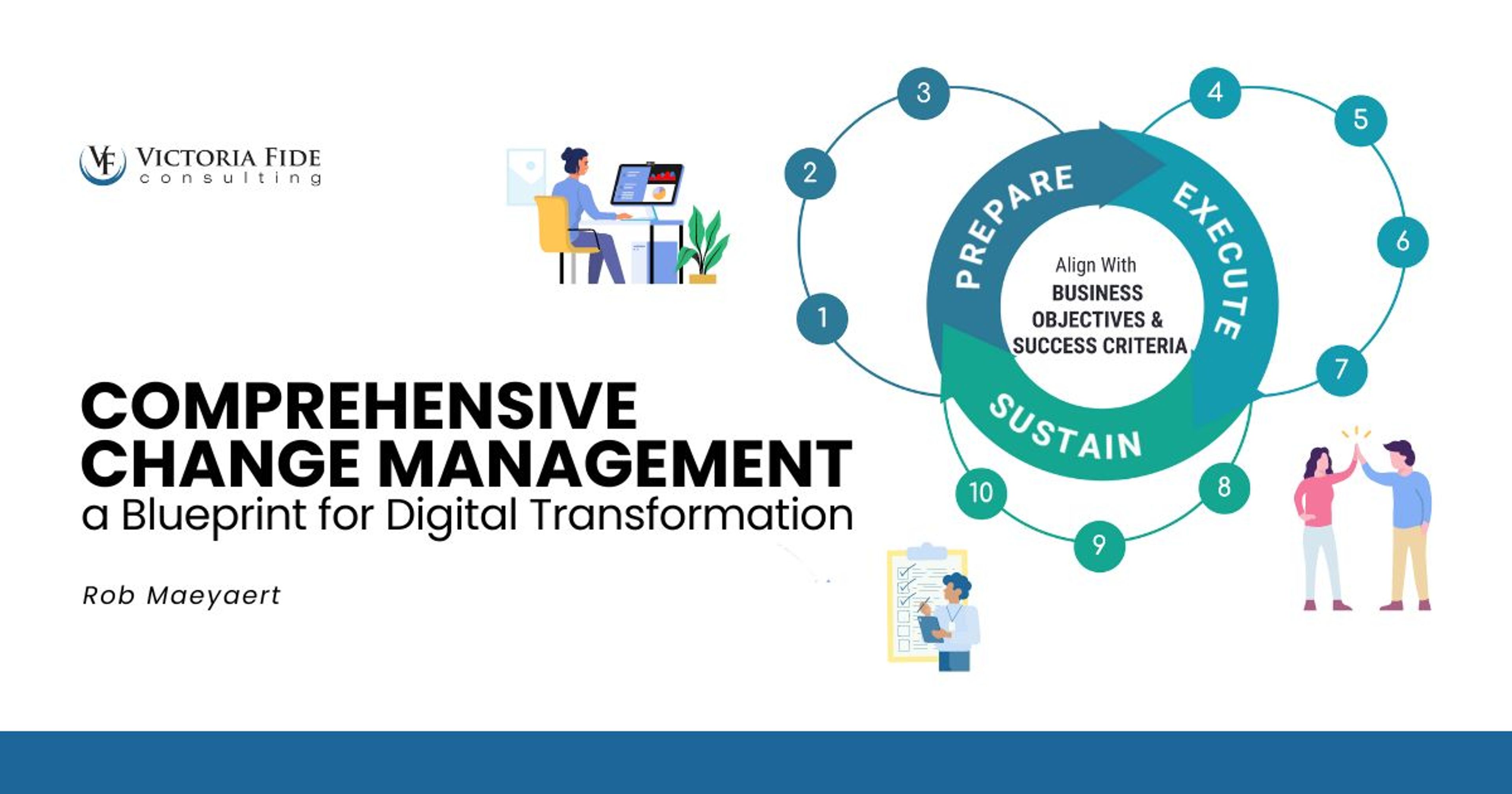

Change Management Digital Transformation: A Comprehensive Guide to Adoption, Communication, and Training
Estimated reading time: 12 minutes
Key Takeaways
- Change management digital transformation focuses on aligning people, processes, and technology for lasting value.
- Resistance, workflow disruption, and unclear buy-in can cause digital projects to fail without a structured change approach.
- The adoption playbook, transformation communication plan, and training are key tools for successful adoption.
- Engaging employees early, clear communication, and hands-on training boost user confidence and adoption.
- Integrated strategies reduce resistance and foster continuous learning culture throughout transformation.
Table of contents
- Understanding Change Management in Digital Transformation
- Creating an Adoption Playbook for Digital Transformation
- Developing a Transformation Communication Plan
- The Role of Training in Supporting Change Management
- Conclusion
- Frequently Asked Questions
Understanding Change Management in Digital Transformation
Digital transformation initiatives often trigger a host of challenges when change management is lacking:
- Employee resistance arises from fear, uncertainty, and threat perception.
- Low technology adoption leaves new tools underused or rejected.
- Workflow disruption causes inefficiencies and frustration.
- Risk of project failure grows, wasting invested resources and lowering ROI.
For example, a large retailer once introduced a new inventory system without proper change management. Employees struggled to adapt, causing stock errors and delayed shipments that damaged customer satisfaction.
Structured change management digital transformation proactively addresses these issues through clear communication, stakeholder engagement, and targeted training and support. This process turns resistance into opportunity by:
- Engaging employees early to voice concerns and build trust.
- Using a transformation communication plan to set expectations and clarify benefits.
- Providing hands-on training to build confidence and proficiency.
A key element is aligning digital tools with people and processes. This means:
- Explaining clearly how changes will affect daily work and what benefit they bring.
- Conducting impact assessments to reduce uncertainty.
- Integrating new technology seamlessly into workflows to improve retention, productivity, and morale.
Without this alignment, technology becomes a burden rather than an enabler. Structured change management ensures employees understand the “why” and “how” behind transformation, which drives engagement and smoother adoption.
Source 4 | Source 5 | Source 6 | External Info
Creating an Adoption Playbook for Digital Transformation
An adoption playbook is a comprehensive, actionable guide that helps organizations steer employees through the complexities of digital transformation. It ensures that changes don’t just roll out but take root sustainably.
Why an Adoption Playbook Is Essential
- It provides clarity and structure for managing change consistently.
- Offers resources tailored to employee needs and behaviors at different stages.
- Bridges gaps between technology implementation and human adoption.
Key Components of an Adoption Playbook
- Stakeholder Analysis
Identify groups affected by the transformation and customize engagement based on their influence, concerns, and change readiness. For example, frontline staff may need more hands-on support versus management requiring strategic overviews. - User Journeys
Map how each user group interacts with new tools or processes. Understanding these adoption pathways highlights where friction or drop-off points might appear so you can intervene timely. - Success Metrics
Clearly define key performance indicators such as adoption rates, employee sentiment scores, error reduction, and productivity improvements. These measurable goals help track progress and course-correct as needed. - Support Resources
Incorporate a mix of learning supports, including:
– Simulations replicating real tasks
– Microlearning modules for incremental knowledge
– In-app guidance tools like Digital Adoption Platforms (DAP)
– Accessible help desks and peer support networks
Best Practices for Designing and Deploying Your Adoption Playbook
- Centralize data collection and metric dashboards to monitor adoption in real time.
- Use behavioral analytics to identify barriers and friction points early.
- Automate communications and training workflows to ensure consistent delivery.
- Prioritize the human experience alongside technology to reduce resistance and encourage enthusiasm.
A well-crafted adoption playbook complements your transformation communication plan and training efforts, creating a cohesive ecosystem that empowers users and cements change.
Source 7 | Source 8 | External Info
Developing a Transformation Communication Plan
Communication is the backbone of successful digital change. A clear transformation communication plan shapes employee perceptions, reduces fear, and fosters engagement by keeping everyone informed and involved.
Why Communication Matters in Digital Transformation
- Shapes how employees perceive the change—whether as a threat or opportunity.
- Reduces resistance by addressing concerns promptly.
- Builds trust through transparency and two-way feedback.
Essential Elements of a Transformation Communication Plan
- Messaging Frameworks
Every communication should connect digital changes to clear business goals and personal benefits for employees. For example, explaining how a new customer management system will reduce manual tasks and improve customer satisfaction makes the change relatable. - Communication Channels
Use a mix of tools to maximize reach and interaction:
– Pulse surveys to gauge mood and sentiment
– Feedback platforms allowing anonymous concerns or ideas
– AI-powered engagement tools that tailor messages
– Gamification to incentivize participation and learning - Timing Strategy
Align messages with project milestones, providing proactive updates before changes occur. This helps prepare employees and prevent surprises. - Feedback Mechanisms
Implement regular surveys, sentiment analysis, open forums, and focus groups to monitor employee mood and adjust messaging accordingly.
Avoiding Common Communication Pitfalls
- Lack of executive alignment leads to mixed messages and lost credibility.
- Inconsistent messaging creates confusion and erodes trust.
- Ignoring employee input fosters disengagement and resistance.
For instance, a financial services firm failed to secure C-suite buy-in, resulting in conflicting messages that confused staff and stalled adoption. Successful organizations ensure executive sponsorship and use data-driven insights to maintain collaborative communication environments.
Integrating your transformation communication plan with the adoption playbook keeps messaging aligned with real user experiences and training progress.
Source 9 | Source 10 | External Info
The Role of Training in Supporting Change Management
Training drives digital transformation success by building employee skills and confidence necessary to use new tools effectively. Tailored training programs close critical skill gaps and smooth adoption curves.
How Effective Training Supports Change Management
- Empowers employees by demystifying technology and processes.
- Reduces anxiety related to new roles or systems.
- Encourages continuous improvement and adaptability.
Training Modalities for Digital Transformation
- Hands-on Workshops
These experiential sessions allow employees to practice using new tools in realistic scenarios. Workshops combine instruction with active participation to reinforce learning. - E-learning and Microlearning
Flexible, bite-sized courses accessible anytime help accommodate different learning speeds and schedules. Short modules deliver incremental knowledge for better retention. - Peer Mentoring
Experienced colleagues provide ongoing personalized support, sharing tips and troubleshooting help that formal training might miss. This fosters a collaborative culture and enhances knowledge retention.
Measuring Training Effectiveness
- Track engagement metrics such as attendance and completion rates.
- Assess skill proficiency with quizzes and performance evaluations.
- Collect participant feedback on relevance and satisfaction.
- Monitor adoption metrics post-training to correlate skills acquisition with real-world use.
Fostering a Culture of Continuous Learning
Sustained transformation success requires more than one-off training. Regular refresher courses, updates, and ongoing support help embed changes and maintain organizational agility.
An integrated approach links your training back to the adoption playbook and transformation communication plan, ensuring consistent messaging and support throughout the employee journey.
Source 11 | Source 12 | External Info
Conclusion
A coordinated, people-centric approach to change management digital transformation is essential for achieving higher adoption, stronger engagement, and improved ROI.
Using an adoption playbook alongside a strategic transformation communication plan and targeted training ensures that people, processes, and technology align seamlessly. This integrated strategy transforms complex digital initiatives from isolated efforts into sustainable growth drivers.
Organizations should resist the temptation to tackle change piecemeal or focus solely on technology. Instead, adopting proven frameworks and tools—such as those offered by Prosci or HCMBOK®—can provide structure, metrics, and strategies to guide change confidently.
Consult experts or build your tailored change management strategy today to harness the full power of digital transformation and lead your organization into a resilient future.
Source 13 | Source 14 | External Info
Start your transformation journey with the right people-first approach. Your technology investments depend on it.
Frequently Asked Questions
What is change management in digital transformation? Change management in digital transformation is a structured approach that focuses on people, processes, and technology to ensure successful adoption of digital initiatives by addressing resistance, communication, and training needs. Why is an adoption playbook important? An adoption playbook provides clear structure and resources tailored for different employee groups, helping organizations manage change consistently and increase the likelihood of sustainable digital tool adoption. How does a transformation communication plan help? It shapes employee perceptions, reduces fear, and builds trust through transparent, timely messaging and feedback channels, ultimately minimizing resistance and fostering engagement. What are effective training methods during digital transformation? Hands-on workshops, e-learning and microlearning modules, and peer mentoring are effective to build user confidence, accommodate diverse learning needs, and sustain knowledge retention. How can training effectiveness be measured? By tracking participation, assessing skill proficiency, collecting feedback, and monitoring post-training adoption metrics to ensure knowledge translates into practice.