
Conference Reporting Checklist: How to Cover a Conference with a Liveblog Strategy and Event Coverage Tips
Estimated reading time: 12 minutes
Key Takeaways
- The conference reporting checklist is essential for organizing thorough and engaging event coverage.
- A dynamic liveblog strategy ensures real-time updates that keep audiences actively engaged.
- Effective event coverage tips like multimedia use and diversified content elevate your reporting quality.
- Preparation through research, tool setup, and goal definition builds a solid foundation for successful coverage.
- Post-event activities such as editing, reporting, and prompt distribution maximize the event’s impact beyond the venue.
Table of contents
- Preparing to Cover a Conference: Pre-Event Checklist and Setup
- The Conference Reporting Checklist: Step-by-Step Guide for Comprehensive Coverage
- Liveblog Strategy: Real-Time Coverage for Dynamic Engagement
- Additional Event Coverage Tips to Elevate Your Reporting
- Conclusion: Mastering Conference Coverage with a Conference Reporting Checklist
- Call to Action: Get Your Customizable Conference Reporting Checklist Template
- Frequently Asked Questions
Effective conference coverage is essential for attendees, organizers, and remote audiences alike.
Attendees benefit from thorough recaps and insights that help them absorb key information. Organizers rely on coverage to extend their event’s reach beyond the venue. Remote viewers depend on timely, accurate updates to participate virtually.
At the heart of delivering all this value lies the conference reporting checklist—a vital tool that structures comprehensive and engaging conference coverage. This checklist ensures you capture the essence of the event systematically while keeping your storytelling clear, timely, and relevant.
Common methods such as the liveblog strategy provide real-time feeds of highlights, quotes, and reactions, creating a dynamic experience. Additionally, proven event coverage tips help diversify content and increase audience engagement.
This post is your detailed, step-by-step guide on how to cover a conference using an effective conference reporting checklist, enhanced by a smart liveblog strategy and essential event coverage tips.
Preparing to Cover a Conference: Pre-Event Checklist and Setup
Success in conference reporting begins well before the first session starts. Thorough pre-event preparation provides a strong foundation.
Research the Conference Agenda and Speakers
Understanding the event agenda inside out allows you to prioritize sessions and themes that matter most to your audience. Study:
- The schedule to identify keynotes, panels, and workshops.
- Speaker bios to anticipate expert insights and notable quotes.
- Trending or emerging topics relevant to the conference theme.
This preparation guides where to focus your time and resources. Knowing the event’s landscape ahead reduces scrambling and improves coverage clarity.
Learn more about top speakers in tech 2026.
Assemble Essential Tools and Platforms
To cover a conference effectively, gather reliable tools, including:
- Digital note-taking apps like Evernote, OneNote, or Google Docs for organized, searchable notes.
- Cameras or smartphone devices capable of capturing high-quality photos and videos.
- Liveblog platforms that enable real-time, interactive updates from anywhere.
These play crucial roles in turning raw information into engaging content.
Explore the best tech gadgets for 2025.
Define Clear Coverage Goals
Tailor your coverage style and depth by setting specific goals that align with your target audience:
- Attract attendees who need comprehensive recaps.
- Serve remote readers requiring live updates.
- Provide media outlets with quotable highlights.
Clear objectives shape your content strategy, tone, and delivery format.
Reference the event recap checklist guide.
Adopt a Conference Reporting Checklist
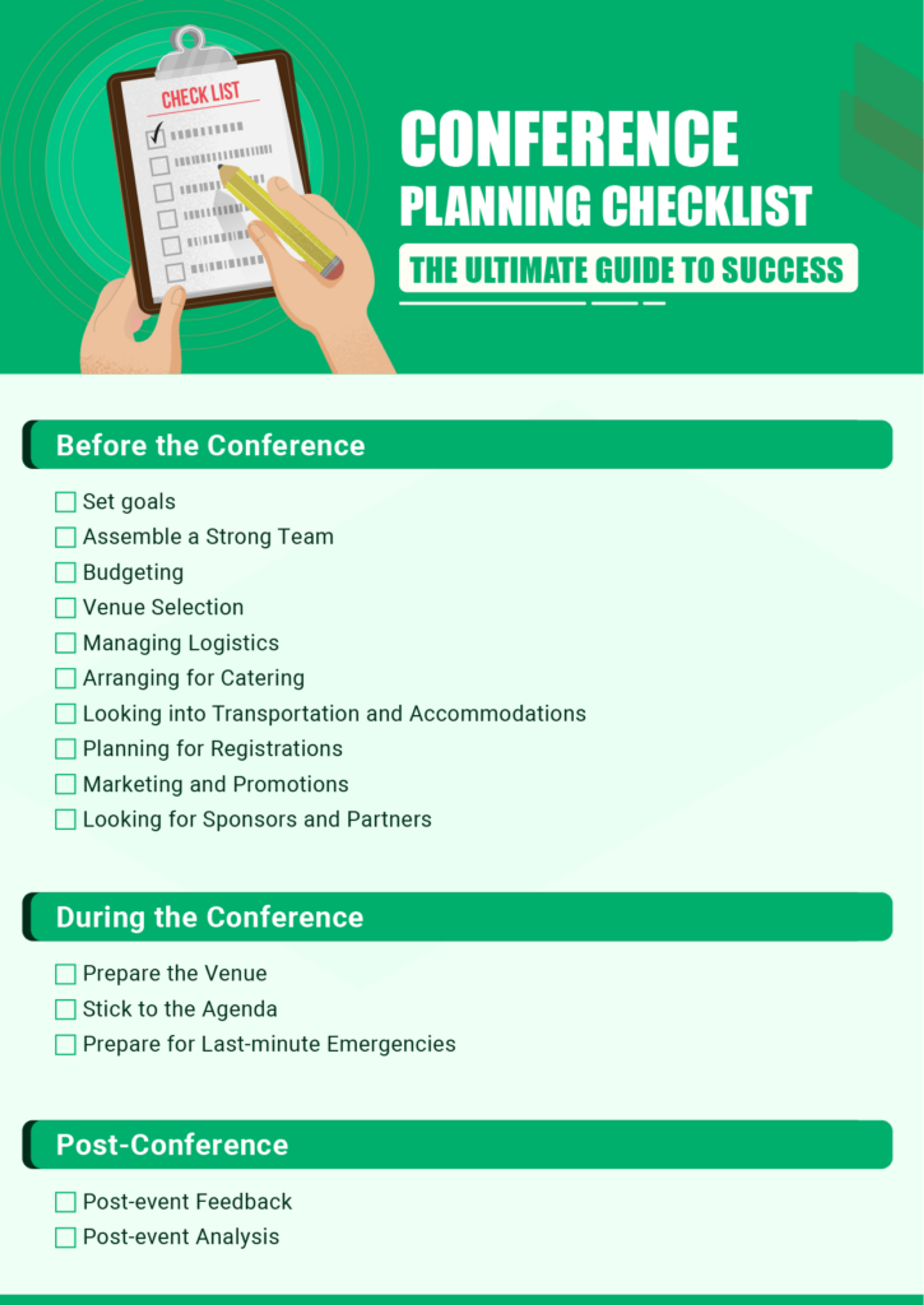
A conference reporting checklist organizes every task, deadline, and responsibility from preparation through post-event reporting. This checklist systematizes your workflow, prevents missed details, and maintains consistency across coverage phases.
By listing action items spanning research, equipment checks, session reporting, and follow-up distribution, the checklist keeps you productive and focused throughout the event lifecycle.
Sources:
Bizzabo Pre-Event Planning Checklist
Ex Ordo Conference Planning Checklist
Smartsheet Conference Planning Templates
HHS Conference Meeting Planning Checklists
The Conference Reporting Checklist: Step-by-Step Guide for Comprehensive Coverage
The conference reporting checklist is your adaptable workflow tool customized for reporters. Breaking down your tasks into three clear phases allows efficient, consistent coverage.
1. Pre-Event Preparation
- Complete event registration: Secure access and review any applicable media policies or briefing documents provided by organizers to understand expectations and restrictions.
- Finalize agenda and speaker research: Deepen your knowledge of session objectives and backgrounds to prioritize and prepare questions or talking points.
See top speakers info. - Test equipment: Ensure all note-taking apps, cameras, smartphones, and liveblog platforms function correctly with backup batteries and connectivity verified.
Recommended tech gadgets.
These steps minimize unforeseen complications and optimize your readiness for fast-paced coverage.
2. Key Tasks During the Event
- Take comprehensive notes: Capture session highlights, exact quotes, statistical data, and panel insights to build a factual and interesting narrative.
Coverage checklist details. - Capture multimedia: Take photos, record short video clips, and document attendee interactions to enhance your storytelling with engaging visuals.
Tech gear suggestions. - Schedule social media and liveblog posts: Timely posting keeps both in-person and remote audiences engaged. Coordinate liveblog updates with social media teasers and follow-ups.
Maintaining detailed, accurate records in this phase is critical for later content creation and audience satisfaction.
3. Post-Event Activities
- Compile and edit notes: Transform your raw notes into clear, concise summaries that highlight key takeaways and relevant outcomes.
Post-event editing tips. - Create detailed reports: Incorporate statistical analysis, photographs, and key achievements to paint a full picture of the event’s success.
- Distribute content promptly: Sharing your final reports, blogs, newsletters, or social media recaps quickly preserves momentum and audience interest.
Fast, thoughtful follow-up maximizes the value your coverage delivers.
Emphasizing Timely Updates
Providing updates during and immediately after sessions keeps your audience engaged and fully informed, avoiding gaps that diminish content relevance.
See research on event recap effectiveness.
Sources:
Bizzabo Pre-Event Planning Checklist
Ex Ordo Conference Planning Checklist
Smartsheet Conference Planning Templates
HHS Conference Meeting Planning Checklists
Liveblog Strategy: Real-Time Coverage for Dynamic Engagement
A liveblog strategy delivers a continuously updated feed that chronicles the event as it unfolds. This method excels in providing immediacy and interactivity essential for modern conference coverage.
What is a Liveblog?
Liveblogs are real-time, chronological streams filled with event highlights, direct quotes, reactions, and photos. Unlike static write-ups published after the fact, liveblogs maintain excitement by capturing moments instantly.
Why Use Liveblogging?
- It engages remote audiences by allowing followers to experience the conference virtually as it happens.
- It preserves event momentum, maintaining interest with up-to-the-minute updates.
- It provides a dynamic alternative to traditional reports that may feel stale by the time of publication.
Further reading on event recaps.
Practical Tips for Effective Liveblogging
- Verify facts on-site: Accuracy matters even in fast-paced live coverage. Confirm names, statistics, and statements to maintain credibility.
- Use templates: Pre-format your posts to speed up entries and ensure consistency throughout.
- Focus on key moments: Prioritize major sessions such as keynote speeches, panel highlights, and breakthrough announcements.
Integrating Liveblogging into the Conference Reporting Checklist
Allocate specific time slots and coordinate liveblog tasks with your note-taking and social media schedules. This structure prevents overwhelm and balances coverage demands effectively.
Recommended Tools
Choose liveblog platforms that offer:
- Real-time edit functionality.
- Mobile applications for updates on the go.
- Multimedia support for embedding photos, videos, and interactive content.
Reliable tools enhance your ability to deliver seamless coverage.
Sources:
Bizzabo Pre-Event Planning Checklist
Smartsheet Conference Planning Templates
HHS Conference Meeting Planning Checklists
Additional Event Coverage Tips to Elevate Your Reporting
Beyond basic session recaps, enriching your coverage with diverse content formats and contingency plans increases audience engagement and professionalism.
Diversify Your Content
- Conduct short interviews with speakers and attendees to capture fresh perspectives and humanize the event.
See examples of interviews and recaps. - Summarize panel discussions to crystallize complex debates.
- Note practical insights gained from workshops to deliver actionable takeaways.
Leverage Social Media Effectively
- Share teasers and polls to generate interaction.
- Use live tweets and threaded updates to expand reach and foster conversation.
Social media event coverage tips.
Prepare for Challenges
Anticipate technical glitches or schedule changes by including backup strategies in your checklist, such as:
- Offline note-taking tools.
- Alternative coverage plans.
- Spare equipment.
Emphasize Multimedia
Integrate photos, videos, and infographics consistently. These elements:
- Enhance story clarity.
- Improve information retention.
- Create visually appealing content that keeps readers engaged longer.
Check recommended multimedia tools.
Combining these event coverage tips, paired with your conference reporting checklist and an active liveblog strategy, elevates your reporting from basic to exceptional results that deliver real value.
Sources:
Smartsheet Conference Planning Templates
Bizzabo Pre-Event Planning Checklist
Ex Ordo Conference Planning Checklist
HHS Conference Meeting Planning Checklists
Conclusion: Mastering Conference Coverage with a Conference Reporting Checklist
A well-structured conference reporting checklist is the cornerstone of thorough, consistent, and efficient event coverage. It ensures no detail is overlooked and streamlines managing multiple tasks.
Incorporating a smart liveblog strategy brings immediacy and interactivity to your coverage, engaging audiences in real-time.
Supplementing your workflow with additional event coverage tips—such as diversified content, social media amplification, and multimedia integration—makes your reporting more compelling and memorable.
By implementing these strategies, you enhance your coverage workflow, produce higher-value content, and build reusable templates for future events.
Create or download a tailored conference reporting checklist today to start improving your conference coverage.
Call to Action: Get Your Customizable Conference Reporting Checklist Template
Ready to take your conference coverage to the next level?
Download a fully customizable conference reporting checklist template to start organizing and planning your next event with ease. Tools like Canva’s event checklists and Smartsheet’s templates offer flexible layouts you can adapt instantly.
Subscribe now for more expert advice on event coverage, reporting strategies, and useful tips that will help you sharpen your skills and deliver powerful event narratives.
By following this comprehensive guide, you will confidently master how to cover a conference with precision, clarity, and engagement—turning every event into an opportunity to connect and inform your audience.
Frequently Asked Questions
What is a conference reporting checklist?
A conference reporting checklist is a structured list of tasks and responsibilities designed to organize and streamline conference coverage from preparation through post-event reporting. It helps ensure consistency and completeness.
How does liveblogging enhance conference coverage?
Liveblogging offers real-time, dynamic updates that engage both in-person and remote audiences by providing immediate access to highlights, quotes, and reactions as the event unfolds.
What tools are needed for effective conference coverage?
Essential tools include digital note-taking apps, reliable cameras or smartphones, liveblog platforms with multimedia support, and social media channels to share updates promptly.
How can I handle challenges during event reporting?
Preparation is key: always have backup equipment, offline note-taking methods, alternative plans for schedule changes, and a well-structured checklist to adapt seamlessly as issues arise.
Where can I find conference reporting checklist templates?
You can download customizable templates from platforms like Canva and Smartsheet.