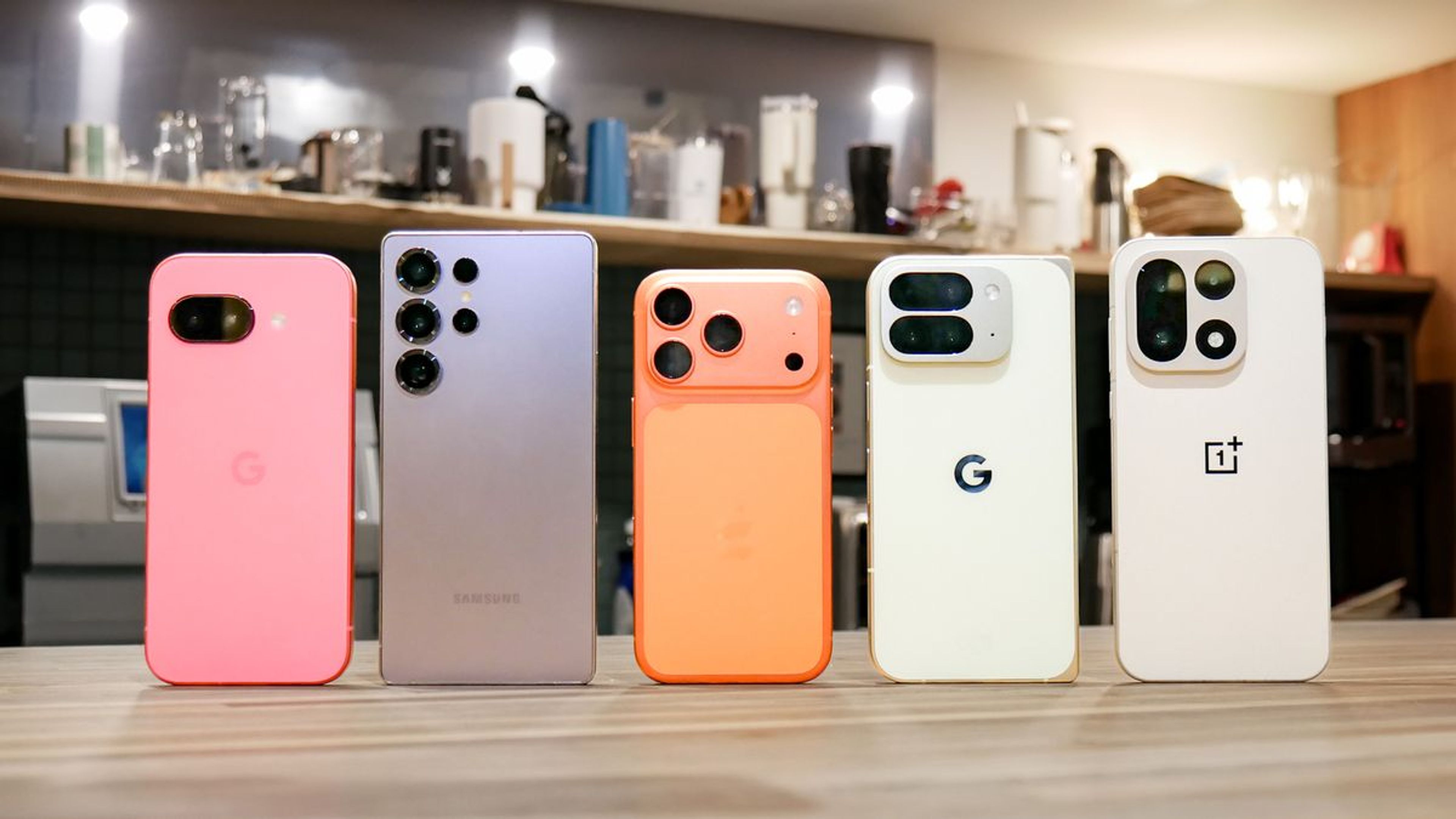

iPhone vs Pixel: The Ultimate Flagship Phone Comparison in 2026
Estimated reading time: 12 minutes
Key Takeaways
- The ongoing debate of iPhone vs Pixel centers around ecosystem vs innovation in flagship phone upgrades.
- Apple’s iPhone 16 Plus impresses with video quality, ecosystem integration, and consistent long-term support. [source]
- Google’s Pixel 10 Pro shines with AI-driven camera capabilities, superior zoom, and a dynamic 120Hz LTPO OLED display. [source]
- Flagship phone upgrades from both manufacturers push limits in design, hardware, and software innovation through 2024–2026. [source]
Table of contents
- Overview of the Latest Phone Launches: iPhone vs Pixel Launch Summary
- Design and Build Quality Comparison: iPhone vs Pixel Design
- Display and Screen Technology: iPhone vs Pixel Screen Showdown
- Performance and Hardware Specs: iPhone vs Pixel Power and Speed
- Camera Capabilities and Features: iPhone vs Pixel Photography Battle
- Software and User Experience: iPhone vs Pixel OS and Ecosystem
- Pricing and Availability: iPhone vs Pixel Cost and Launch Reach
- Which Phone to Choose? iPhone vs Pixel Buyer’s Guide
- Conclusion: iPhone vs Pixel – Ongoing Flagship Phone Rivalry
- Frequently Asked Questions
The debate over iPhone vs Pixel remains one of the most talked-about topics each year, especially as Apple and Google unveil their latest flagship phones. With each new smartphone launch, users eagerly examine how the latest models compare, especially against the backdrop of continual flagship phone upgrades that push the limits of design, camera technology, and performance. [source]
In recent years, consumers have faced increasingly rapid releases of advanced smartphones. Apple’s 2024 iPhone 16 series and Google’s 2025 Pixel 10 lineup have particularly stirred interest. This blog delves deeply into the differences between these two tech giants’ newest releases, providing a clear, detailed phone launch comparison to help you understand which device suits your needs best.
Overview of the Latest Phone Launches: iPhone vs Pixel Launch Summary
Apple’s iPhone 16 series, launched in late 2024, includes the new iPhone 16 Plus model and introduces iOS 20. This update reinforces Apple’s reputation for tightly integrated ecosystems and solid operating system performance. The iPhone 16 lineup focuses on increasing user stability and reliability, appealing to loyal Apple users who value consistent updates that maintain performance over time. [source]
Google’s Pixel 10 series, arriving in early 2025, features the Pixel 10 Pro and an even larger Pro XL variant. The Pixel 10 series has generated considerable buzz going into 2026 thanks to breakthrough AI-driven camera enhancements and superior display technology. These upgrades have made the Pixel 10 a standout for Android fans who crave cutting-edge photography features and vivid displays built for media consumption. [source]
Key Launch Details and Impact:
- iPhone 16 Plus: Late 2024 launch with iOS 20, focusing on ecosystem synergy and performance stability.
- Pixel 10 Pro & Pro XL: Early 2025 debut, spotlighting AI camera innovation and advanced LTPO OLED displays.
Both launches created significant excitement globally, influencing consumer buying decisions and stirring ongoing debate between fans of Apple’s polished user experience and Google’s innovation-driven Android ecosystem.
Sources: YouTube Comparison 1, YouTube Comparison 2, Android Headlines
Design and Build Quality Comparison: iPhone vs Pixel Design
Apple’s design philosophy on the iPhone 16 continues to favor a polished and refined look, aiming for minimal risk and a premium feel. The build quality features top-tier materials with a focus on durability. The iPhone 16 Plus stands out for its reliable 3D Face ID functionality, which works seamlessly in different lighting conditions, including low light. Apple’s approach leans on tried-and-tested design elements to offer users a classically elegant smartphone with exceptional build confidence. [source]
In contrast, the Pixel 10 series presents a more contemporary style that balances solid aesthetics with functional innovation. Notably, Google’s Pixel incorporates ultrasonic in-screen fingerprint sensors alongside Face Unlock technology. This combination offers enhanced security options and faster, more flexible biometric access. The Pixel’s design approach is more experimental, prioritizing usability improvements alongside sleek appearance. [source]
Size and Material Comparison:
Feature
iPhone 16 Plus
Pixel 10 Pro
Screen Size
6.7 inches
Slightly smaller (~6.5″)
Biometric Security
3D Face ID (Face Recognition)
Ultrasonic Fingerprint + Face Unlock
Color Options
Multiple classic finishes
Bold and diverse colors
Durability
Ceramic Shield, IP68 water resistance
Gorilla Glass Victus, IP68 water resistance
Both phones use durable glass and metal frameworks designed for everyday use, but Apple’s risk-averse style contrasts with Pixel’s integration of multiple biometric methods for flexibility.
Sources: YouTube Comparison 1, YouTube Comparison 2
Display and Screen Technology: iPhone vs Pixel Screen Showdown
Display technology is a cornerstone of any flagship, and the iPhone vs Pixel competition is fierce here. The Pixel 10 Pro boasts a 120Hz LTPO OLED screen, a cutting-edge display that allows the refresh rate to dynamically adjust from as high as 120Hz to as low as 1Hz. This variable refresh optimizes both smooth visuals and battery saving. The Pixel 10 Pro’s screen shines brighter in real-world tests—reportedly reaching 2,317 nits peak brightness—making outdoor viewing under direct sunlight excellent.
Meanwhile, the iPhone 16 Plus uses LTPO OLED technology but limits the refresh rate to 60Hz, which is a step behind the Pixel 10 Pro’s fluid experience. However, the upcoming iPhone 17 promises 120Hz refresh support with similar dynamic scaling—putting Apple closer to Pixel in the near future. The standard Pixel 10’s display operates similarly to the iPhone 16’s 60Hz baseline, positioning the iPhone and Pixel closer in specs at the lower ends.
Display Features Compared:
- Refresh Rate:
– Pixel 10 Pro: 120Hz variable (down to 1Hz)
– iPhone 16 Plus: 60Hz fixed; iPhone 17 targets 120Hz
– Pixel 10 standard: 120Hz but drops to 60Hz minimum - Peak Brightness:
– Pixel 10 Pro: Up to 3,300 nits (manufacturer claim), ~2,317 nits in real tests
– iPhone 16 Plus: Slightly lower but still strong for HDR content - Color Accuracy & HDR: Both devices support HDR10+ and wide color gamuts, delivering vibrant, true-to-life colors with excellent power efficiency. [source]
Sources: YouTube Comparison 1, YouTube Comparison 2
Performance and Hardware Specs: iPhone vs Pixel Power and Speed
Under the hood, both phones have powerful custom processors tailored to their respective operating systems. Apple’s iPhone 16 Plus runs on the A18 chip, while the anticipated iPhone 17 moves to the even more advanced A19 processor. These chips are engineered to optimize iOS performance, delivering smooth and stable user experiences, alongside gains in power efficiency. [source]
Google’s Pixel 10 Pro is powered by the Tensor G5 chip, designed with a focus on AI processing and multitasking. This is bolstered by 12GB of RAM—substantially more than the iPhone 16 Plus’s 8GB—offering Pixel users an advantage in running multiple apps simultaneously without lag.
Hardware Specs at a Glance:
Specification
iPhone 16 Plus / iPhone 17
Pixel 10 Pro
Processor
Apple A18 / A19
Google Tensor G5
RAM
8GB
12GB
Base Storage
Varies (128GB to 1TB options)
128GB (starting point)
Flagship phone upgrades highlight the use of AI to enhance everyday tasks on both devices, with Apple focusing on seamless performance and Google emphasizing AI-enhanced multitasking and machine learning capabilities. [source]
Sources: YouTube Comparison 1, YouTube Comparison 2
Camera Capabilities and Features: iPhone vs Pixel Photography Battle
Camera performance is often the ultimate battleground for flagship phones, and here the iPhone vs Pixel rivalry is intense.
Google’s Pixel 10 Pro pulls ahead with its zoom capabilities. It features a 5x optical telephoto lens and an impressive 20x super-resolution digital zoom, surpassing the iPhone 16 Plus, which caps at a 10x digital zoom. Pixel’s front camera excels too, especially in low-light conditions, where it produces clearer selfies with enhanced skin texture details. [source]
Conversely, the iPhone 16 Plus shines with its main sensors. It boasts a 48MP primary sensor paired with a high-resolution ultrawide camera, compared to Pixel’s downgraded 13MP ultrawide sensor which struggles somewhat in shadow areas during night shots. The iPhone excels in dynamic range and produces warmer, more natural tones on ultrawide night photography.
Video recording favors the iPhone, offering smoother 4K video at 60fps across modes with superior stability and highlight control. Pixel’s AI-driven computational photography aggressively enhances details and colors, especially in daytime shots.
Camera Feature Highlights:
- Main Camera: iPhone leads in resolution, video smoothness, and dynamic range. Pixel is strong in daytime image clarity.
- Ultrawide Camera: Higher resolution and warmer colors on iPhone; Pixel’s sensor shows shadows limitations.
- Zoom: Pixel provides superior optical zoom and super-resolution digital zoom.
- Front Camera: Pixel advances in low-light selfies and texture definition.
- Computational Photography: iPhone manages highlights and detail elegantly; Pixel uses AI for image boosting.
Sources: YouTube Comparison 1, Android Headlines
Software and User Experience: iPhone vs Pixel OS and Ecosystem
Software is central to how users interact with their phones. The iPhone runs on iOS, which boasts seamless integration with Apple’s ecosystem. This includes native features such as iMessage, FaceTime, AirPods pairing, and smooth handoffs between Macs and Apple Watches. iOS is also known for regular, consistent long-term support, keeping devices secure and up to date for years after launch. [source]
On the other side, Pixel’s Android 16 offers a highly customizable experience rich in Google AI features. Tools like Magic Editor make photo editing smarter and easier, while Google Assistant responds with increasing intelligence. Pixel benefits from timely Android updates and deeper integration with Google services, granting more user flexibility and control.
Ecosystem differences shape how users experience continuity: Apple users enjoy tightly bound features across devices, while Pixel users access enhanced AI and app flexibility but rely more on Google’s cloud and services.
Sources: YouTube Comparison 1, YouTube Comparison 2
Pricing and Availability: iPhone vs Pixel Cost and Launch Reach
Regarding cost, Google positions the Pixel 10 series as a value-oriented flagship. Its launch pricing is notably lower than Apple’s, providing competitive features in cameras and displays for less money. Pixel’s pricing strategy appeals to users seeking flagship performance without the premium Apple markup.
Apple’s launch prices for the iPhone 16 remain on the higher end, reflecting its premium branding. Discounts at launch are uncommon, maintaining Apple’s strong brand value.
Both devices have global availability shortly after their respective launches: the iPhone 16 series circulated widely in late 2024, and the Pixel 10 series followed in early 2025. Pixel’s baseline models start at 128GB configurations, meeting typical user storage needs without extra cost.
Sources: YouTube Comparison 1, YouTube Comparison 2
Which Phone to Choose? iPhone vs Pixel Buyer’s Guide
Deciding between iPhone vs Pixel depends on what matters most to you:
- Opt for iPhone if:
– You prefer the seamless integration and continuity of the Apple ecosystem.
– You value superior video recording capabilities and proven build quality.
– Long-term software updates and polished user experience are priorities. [source] - Choose Pixel if:
– Advanced AI-driven camera features and superior zoom are top priorities.
– A brighter and more dynamic display matters for your media consumption.
– You appreciate higher RAM for multitasking and want better value for the price. [source]
Ultimately, the choice hinges on your personal workflow—whether that’s a photography-centric use, loyalty to your existing ecosystem, or your preference for display and multitasking performance. This investigational approach helps you align your decision with your unique needs rather than settling for a generic recommendation. [source]
Sources: YouTube Comparison 1, Android Headlines
Conclusion: iPhone vs Pixel – Ongoing Flagship Phone Rivalry
In summary, the iPhone vs Pixel showdown in 2026 presents clear distinctions:
- iPhone 16 Plus/17: Leads in video quality, dynamic range, and ecosystem integration, with a strong emphasis on consistent performance and long-term software support. [source]
- Pixel 10 Pro: Excels in zoom capability, display brightness, RAM capacity for multitasking, and advanced AI-enhanced photography, offering compelling value in its price segment. [source]
As both Apple and Google continue to roll out flagship phone upgrades and new smartphone launches, consumers benefit from a diverse range of choices tailored to varied preferences and needs.
Stay tuned for deeper reviews and future comparisons as these phone ecosystems evolve, ensuring you always have the latest insights to guide your next smartphone investment. [source]
Sources: YouTube Comparison 1, Tech Advisor
Frequently Asked Questions
Which phone has the better camera overall?
Both phones excel in different areas: the iPhone 16 Plus leads in video quality and dynamic range, while the Pixel 10 Pro offers superior zoom capabilities and low-light front camera performance.
Is the Pixel 10 Pro’s display significantly better than the iPhone 16 Plus?
Yes, the Pixel 10 Pro’s 120Hz LTPO OLED with dynamic refresh rate offers a smoother and brighter viewing experience compared to the iPhone 16 Plus’s 60Hz fixed refresh rate, though the upcoming iPhone 17 aims to close this gap.
How does software support compare between the two phones?
iPhones benefit from consistent long-term iOS updates and tight ecosystem integration, while Pixel phones provide timely Android updates and offer more customization with deep Google AI feature integration.
Which device offers better multitasking performance?
Pixel 10 Pro generally has an edge in multitasking with 12GB RAM compared to iPhone 16 Plus’s 8GB, enhanced by Google’s AI-powered Tensor G5 chip optimized for such tasks.
Are there significant price differences?
Yes, the Pixel 10 series launches at a noticeably lower price point, appealing to budget-conscious flagship buyers, while Apple maintains premium pricing aligned with its brand reputation.
This detailed comparison aims to equip you with the essential facts to make an informed decision during the exciting era of 2024–2026 flagship smartphone launches.